JMP platforms and statistical methods
Graph Builder:
Mosaic plot, scatter plot
Distribution:
Summary statistics, confidence intervals for population proportion
Fit Y by X:
Linear regression
Fit Model:
Logistic regression
Objective
Use visualization methods, linear and logistic regression, and inference for proportions to analyze results of an experiment designed to evaluate and compare the ability of children to open different pharmaceutical packaging.
Problem statement
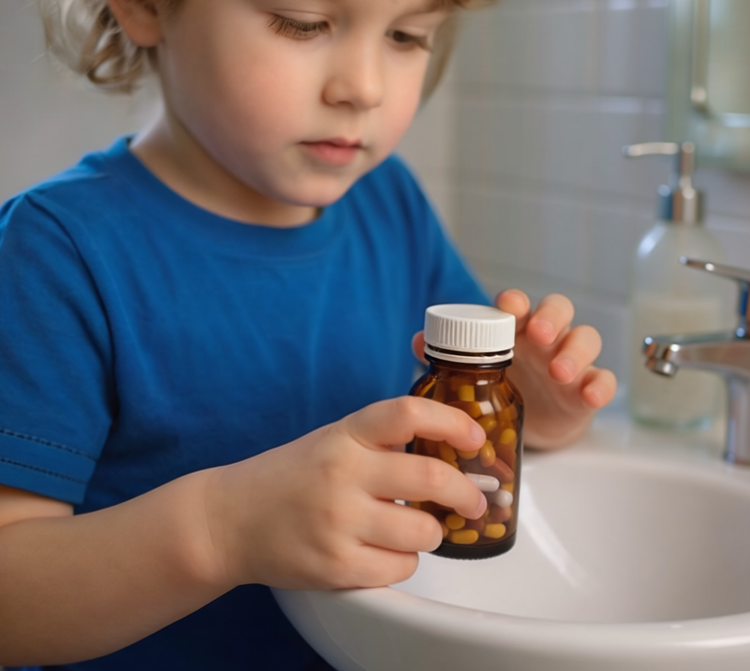
There are many products found in a household, such as prescription drugs, cleaning solutions, and pesticides, that pose a serious danger to children if ingested. The Food and Drug Administration (FDA), Consumer Product Safety Commission (CPSC), and other regulatory agencies establish standards that packaging must meet to be certified as child-resistant packaging (CRP). One requirement for a package to be considered CRP is that at least 85% of a panel of 200 children tested between the ages of 42-51 months of age would be unable to open it after five minutes. Another requirement is that at least 80% of these children would still be unable to open it, even after the process for doing so is demonstrated to the child and they are given another five minutes to try.
A manufacturer of this type of packaging is experimenting with four different designs for caps that could be sold to pharmaceutical companies to be used in various products.
To test the performance of these four different packaging designs, a test was conducted with a panel of 200 children between 42 to 51 months in age. For each age, 10 boys and 10 girls were selected for the test. Each child tested all four packages with two days in between testing of each package. The order of testing was chosen at random. The child was given the package and simply instructed to open it to access the contents inside. After five minutes, the administrator of the test demonstrates to the child how to open the package without any verbal description. The child is then given another five minutes to open the package, after which the testing stops.
The focus of the analysis will be to evaluate and compare how effective these four different packaging designs are at preventing a child from opening them.