JMP platforms and statistical methods
Graph Builder:
Scatter plot
Fit Y by X:
Simple linear regression
Formula Editor:
Creating new variables
Objective
Use graphical methods and simple linear regression to evaluate how closely the amount and type of damage to paint in an accelerated weathering tester matches how paint performs when exposed to various real environmental conditions.
Problem statement
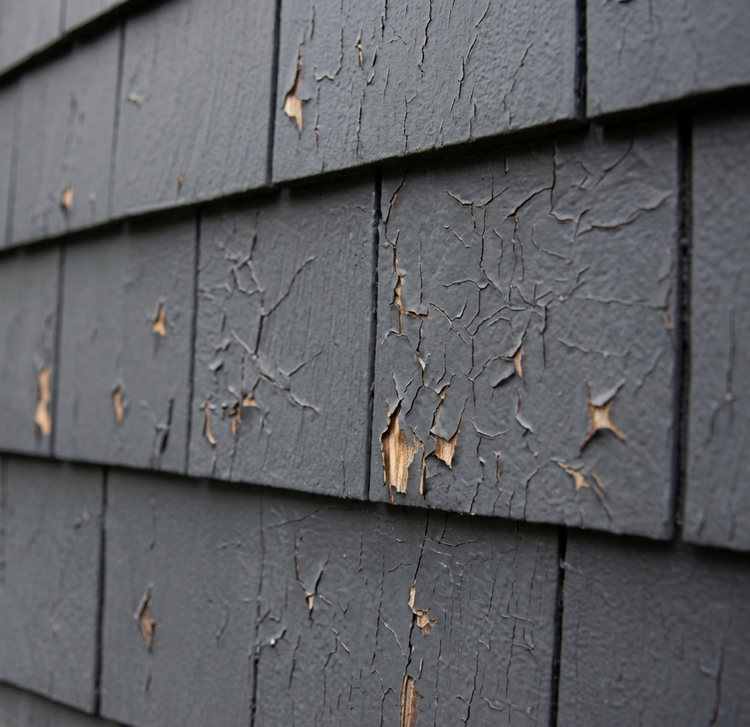
Manufacturers of paint and other coating materials are very interested in having reliable estimates of the material’s durability against undesired effects such as fading of color, cracking/peeling, and blistering, among others.
R&D teams for these types of manufacturers are constantly conducting tests to describe and quantify a material’s durability. One type of testing subjects the paint to different real natural environments (e.g., hot humid weather of Florida, long hot dry heat of Arizona, extreme yearly temperature fluctuations of Minnesota, etc.)
Since these effects take many years to manifest in these environments, manufacturers need a much quicker way to study the rate of these undesired effects to guide product development. Scientists use environmental chambers that can vary temperature, humidity, and UV levels to simulate the long-term effects caused by real environmental conditions but in a greatly accelerated time frame.
It is necessary to determine the settings for the accelerated testing chamber so that those results match the results that would occur in real natural environmental conditions so that reliable estimates can be produced.
In this study, historic data from many samples over many years of real testing from outdoor fields in Florida, Arizona, and Minnesota was gathered. Characteristics such as amount of fading, cracking, and blistering were quantified through a series of measurements made through instrumentation and visual assessment. Resulting data is a value from 0 to 1 representing the severity of the damage.
Test panels were prepared and placed in the accelerated weathering tester with environmental conditions set to simulate the three locations with the intent of one week in these chambers equating to one year in the field.
The objective of these analyses will be to evaluate how closely the amount and type of damage of paint of an accelerated weathering tester matches how paint performs when it is exposed to various real environmental conditions.