Building guitars — and an analytics mindset
How lessons from my dad’s guitar building journey can help you grow a culture of analytics.
Peter Polito
July 21, 2025
5 min. read

We live in a world awash in data. As of May 2025, 13.75 exabytes are generated every hour. But having data is not the same as using it effectively. The organizations leading their industries are doing so because they’ve learned how to make sense of their data and act on it quickly. They have built a culture of analytics.
Here at JMP, we work with companies that have done just that:
- STMicroelectronics reduced its defect rate by 40%.
- NXP eliminated 100 tests without sacrificing quality.
- BASF cut design time by 75%.
How does an organization reach this point? And what does it look like to grow a culture of analytics – both personally and professionally?
To explore that, I’d like to share a story about someone who shaped my own approach to learning and problem solving: my dad. A retired accountant and business consultant, he hails from Southern California where he spent his entire life. My dad stumbled into accounting. It wasn’t something he particularly loved – he was simply good at it and needed a steady paycheck. His true passion was building guitars. His journey as a self-taught luthier offers a surprisingly powerful metaphor for how individuals and organizations can grow into analytical maturity.

Figure 1. Dad and I, 1983 (probably)
In the sections that follow, I walk through three key lessons from his experience, each paired with a takeaway for analytics practitioners.
Lesson 1: Fail early, learn fast
My dad didn’t come from wealth. As the eldest of nine, there was no chance of being given a guitar while he was in high school. So, he decided to build one. A lifelong tinkerer, he knew the first attempt might go badly. He used plywood, cheap laminate, and improvised tools to keep the cost down, freeing himself to experiment and learn without pressure. He learned a steel pipe heated by his high school chemistry lab Bunsen burner was an adequate substitute for a more costly heating element purpose-built to bend the sides of the guitar. He learned the art of luthiering on the cheap. In this process, he discovered what came naturally and what would require upskilling. That willingness to dive in, start small, and make mistakes was a foundation for future success.
Your analytics takeaway
Don’t wait for the perfect conditions. Pick a small, manageable problem – one that’s been nagging your team. Get your hands dirty with the data. Tools like exploratory data analysis (EDA) are ideal for this phase, where the goal is simply to understand: What happened? Why did it happen? Your first analysis might be messy, but that’s the point. Learn fast and build from there.
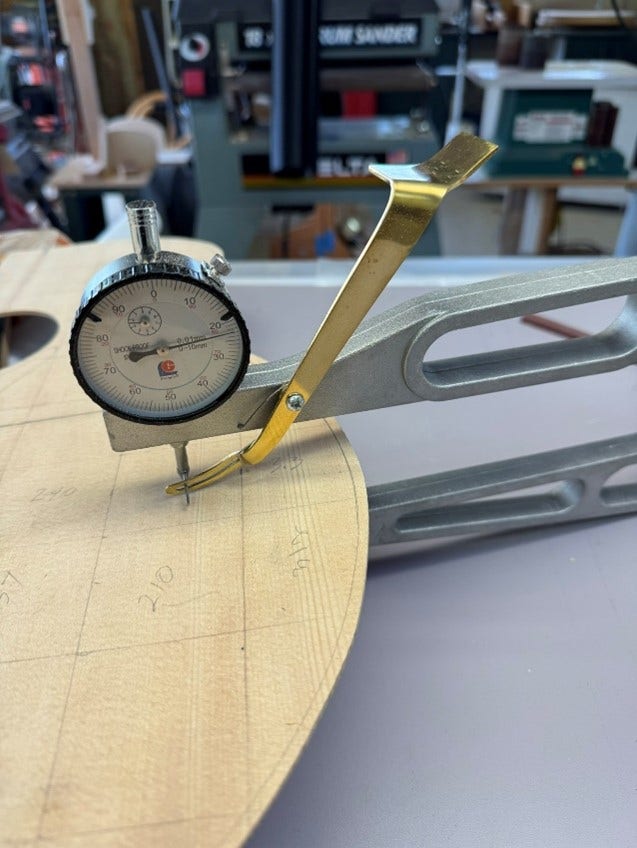
Figure 2. Ensuring the face thickness is as it should be
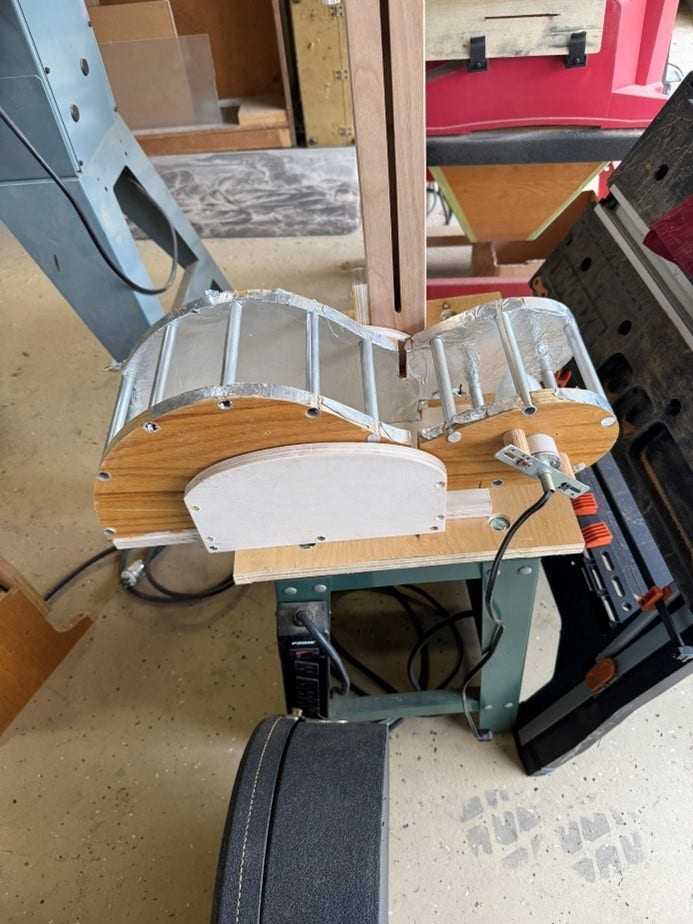
Figure 3. His side bending form to achieve standardization
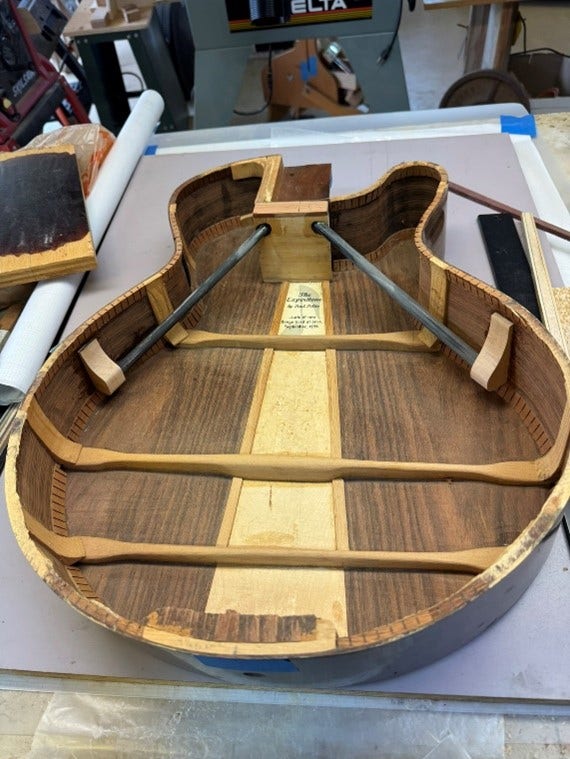
Figure 4. Golf clubs shafts for rigidity
Lesson 2: Understand your audience and seek feedback
To sustain his passion, my dad knew he needed to be competitive. With high-end guitars dominating the ever-changing music scene of the late ’60s and early ’70s, it wasn’t going to be easy to break into the market as a no-name 20-something. But he observed that a niche in the market was opening and rapidly expanding: 12-string guitars. The stylistic proclivities of Jimmy Page, Pete Townsend, and David Gilmour were pushing the market quicker than it could keep up. So that is where my dad focused.
To refine his craft, he didn’t rely solely on his own judgment. He asked musicians playing in bars to try his instruments and give feedback. Through this informal market research, he was able to improve his craft with every guitar – and even got a few yet-to-be famous musicians to jam on his art, including a very young (and very not-yet-famous) John Denver.
Your analytics takeaway
After getting good at figuring out what happened and why, the next step in analytics maturity is learning how to look forward: what will happen? Predictive modeling and design of experiments (DOE) can help answer questions like this. But like my dad, you shouldn’t analyze in a vacuum. Talk to domain experts. Seek out context. Collaborate with peers and stakeholders. Data is only valuable when it’s connected to real-world needs and perspectives.
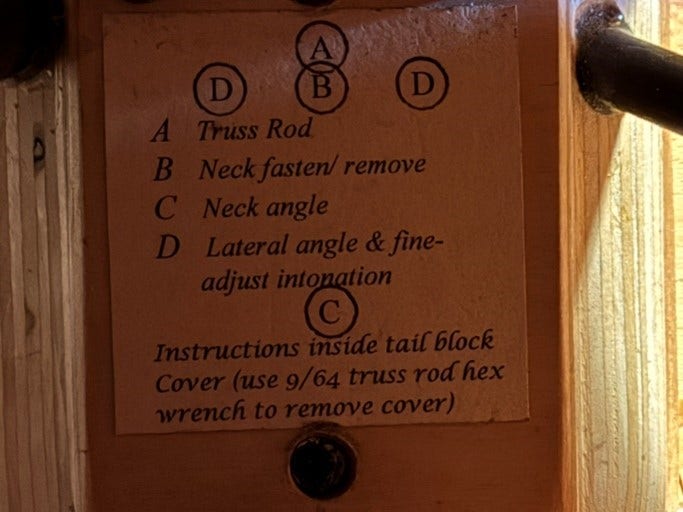
Figure 5. Making maintenance easier for the customer

Figure 6. He started building access points to simplify maintenance
Lesson 3: Let curiosity drive innovation
Decades later, my dad found an unfinished guitar in his closet. With kids grown and time available, his passion reignited that had long been made dormant by duty and responsibility. But he didn’t simply pick up where he left off. He began to consume all the information he could. He went to conferences and workshops; he sat at the feet of the gurus to learn and re-learn. Then he innovated. He decided there was a niche market for baritones and so set out in that direction. He started to question convention: Why put the hole in the center? Why use only one type of wood for the face? Why use standard parts? He experimented with moving the hole to the upper treble bout so he could make longer braces on the face to increase the resonance. He experimented with multiple wood varieties to entice a warmer sound on the deeper strings. He even used golf club shafts for structural integrity. His guitar making transitioned from instruments to art, both in appearance and sound.
Your analytics takeaway
At the highest level of analytical maturity, we ask: How do we make it happen, reliably and at scale? This means developing repeatable systems, standard operating procedures (SOPs), and clear decision rules. It also means questioning assumptions, testing new ideas, and continuously refining processes. Like guitar building, analytics at this stage is both science and craft.

Figure 7. Functional and beautiful

Figure 8. Looking at the inside of the back of the guitar
Finding your guitar
In one of my past roles, I faced a data chaos problem: multiple experiments, inconsistent systems, and no standard process. I started by building a small solution for just one setup. It worked. That small fix became the template for a labwide transformation, making data easier to access, interpret, and share. I didn’t set out to change the system; I just tried to make things a little better. I dabbled, failed early, learned, listened, refined, and eventually systemized.
So:
What’s the nagging challenge you’d tackle if you could carve out an hour a week?
What’s truly stopping you from diving in?
Improve your data literacy
Training is crucial for organizations that set their sights on enterprisewide, data-centric collaboration for solving problems. Educated users are more engaged with analytics projects and more likely to turn to data throughout their workflows. Improve your data literacy by registering for one of the free modules in the Statistical Thinking for Industrial Problem Solving online curriculum.