Coefficient of Variation
What is the coefficient of variation?
The coefficient of variation (CV) is a statistic used to describe the variability or spread in a continuous variable. Unlike other measures of variability, it does not have any units. It is calculated as the standard deviation of the data as a percentage of the mean.
When should you use the coefficient of variation?
Since CV has no units, it is useful in comparing the variation relative to the mean between groups. It is also used if you care more about the proportional spread around the mean and not the actual spread.
For example, if your laboratory runs a study to estimate reproducibility of the measurement equipment that measures concentration of a compound in a substance at 1%, 10%, and 50% concentration, you might use CV to describe variation across concentrations. If you are applying fertilizers to plants when they are small and when they are growing taller, you might use CV to compare variability in heights by fertilizer. CV will tell you which group is more precise proportionally.
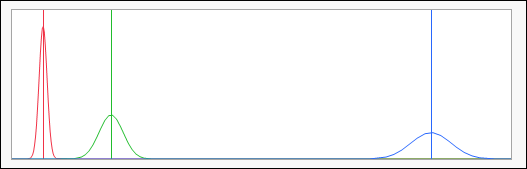
In the figure above, the standard deviation of the distributions increases with the mean. To compare the spread of data between groups drawn from these distributions, the coefficient of variation might be more appropriate than the standard deviation.
When should you not use the coefficient of variation?
If the data you are comparing have the same units and/or similar means, you might not need to calculate CV. Use the standard deviation instead.
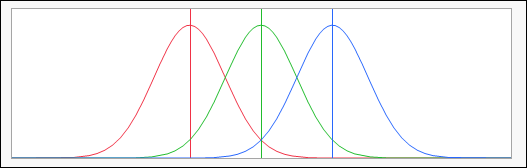
In this figure, the standard deviation of the distributions is constant. The standard deviation might be more appropriate than the CV to measure spread.
Also, if the mean is near zero, the CV might be unusably large.
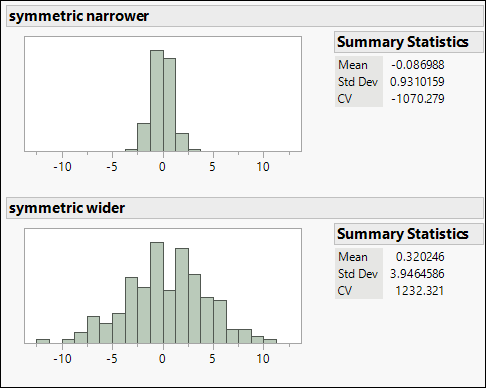
The data in the figure above were drawn from different normal distributions, both with mean zero. You’ll notice that the top figure has a smaller variance than the bottom figure. Both CV values are practically useless, since the data mean is a fraction of the standard deviation and is close to zero.
How do you calculate CV?
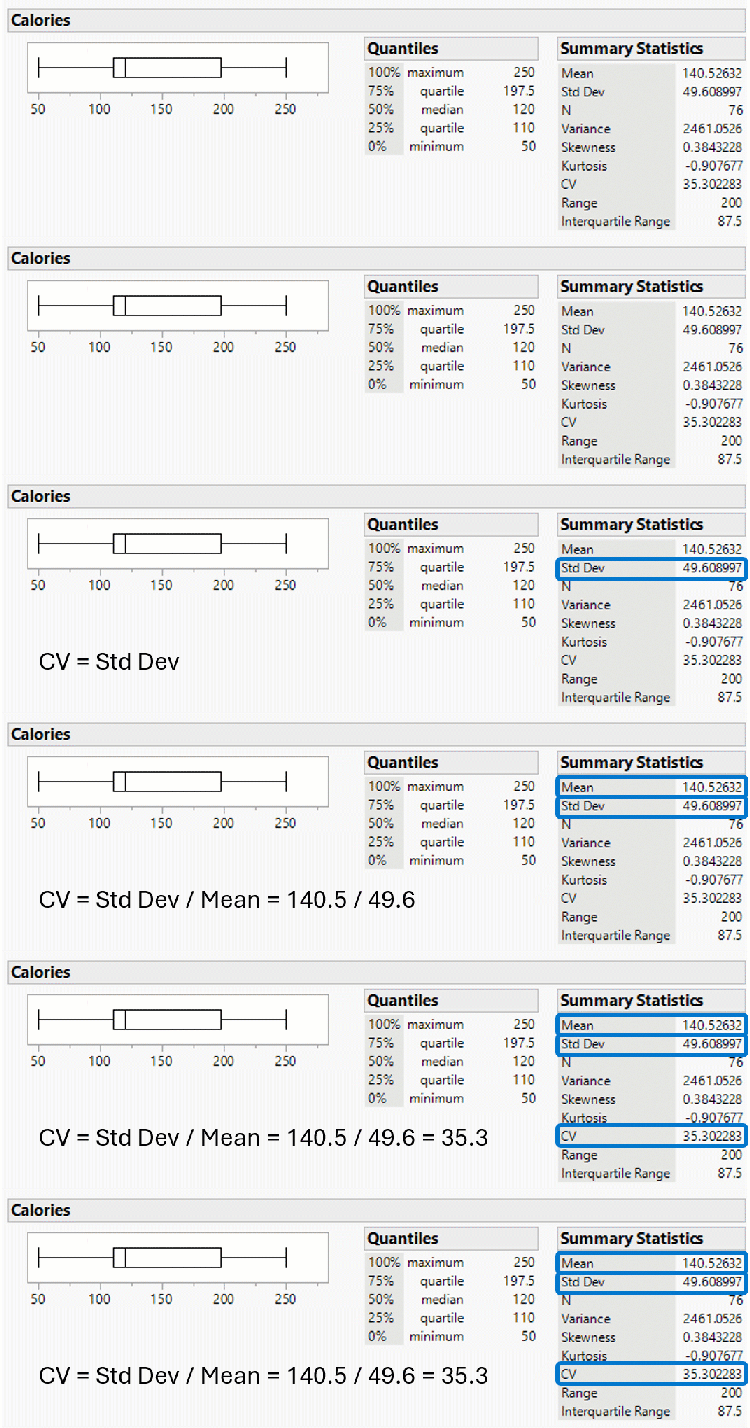
The coefficient of variation is the standard deviation of the data, divided by the mean of the data, multiplied by 100 to make it a percentage.
Examples of CV
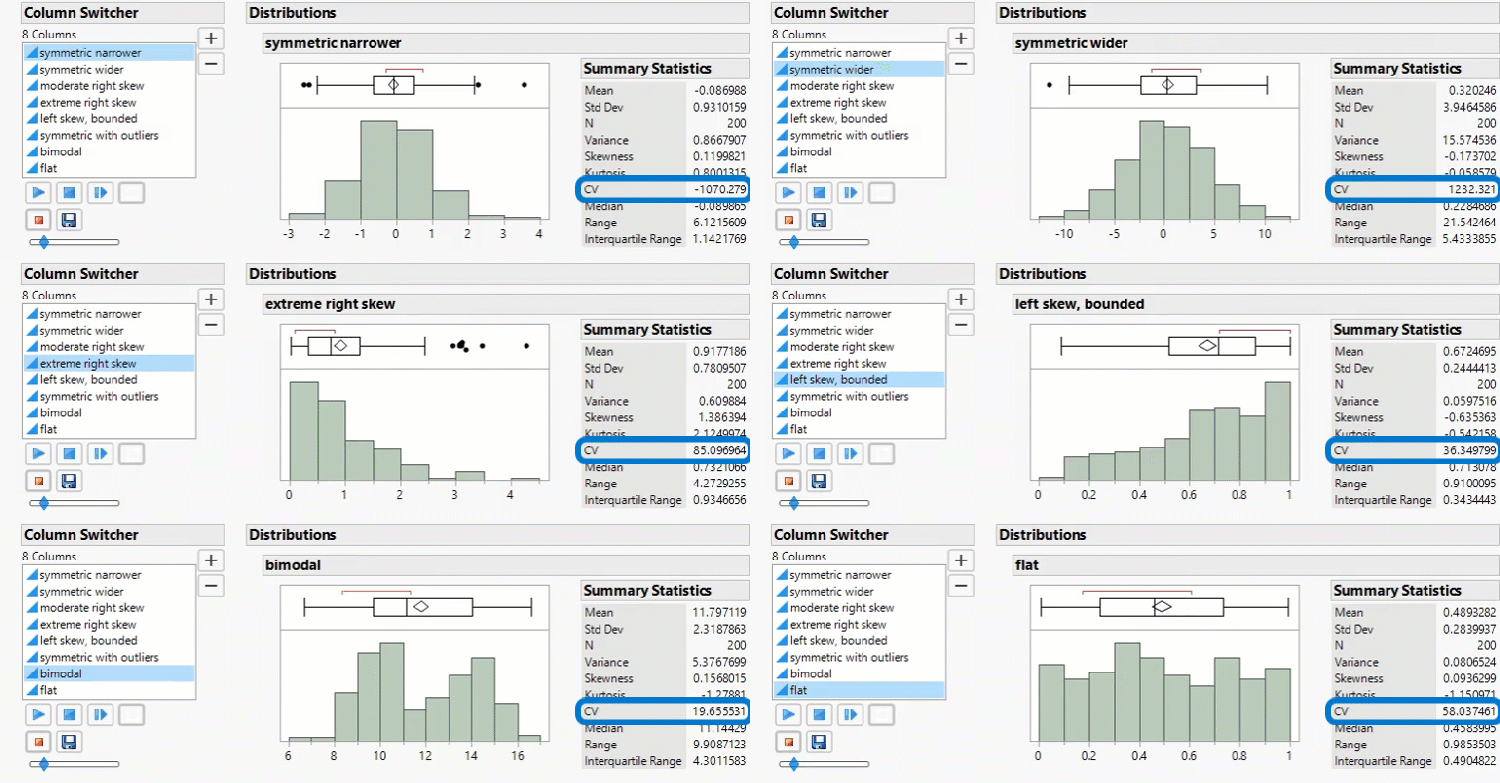
Examine the coefficient of variation of the data in the Univariate Statistics Data. You can see the value of CV in the Summary Statistics report.
For which variables do you think is CV an appropriate measure of variability?